
7 Proven Steps to Introduce a Puppy to Your Senior Dog Without the Jealousy
Bringing a new puppy home can be an incredibly fun and exciting journey for you and your family. However, introducing a new puppy to the current dog of the household can trigger stress, jealousy, and anxiety if not properly introduced.
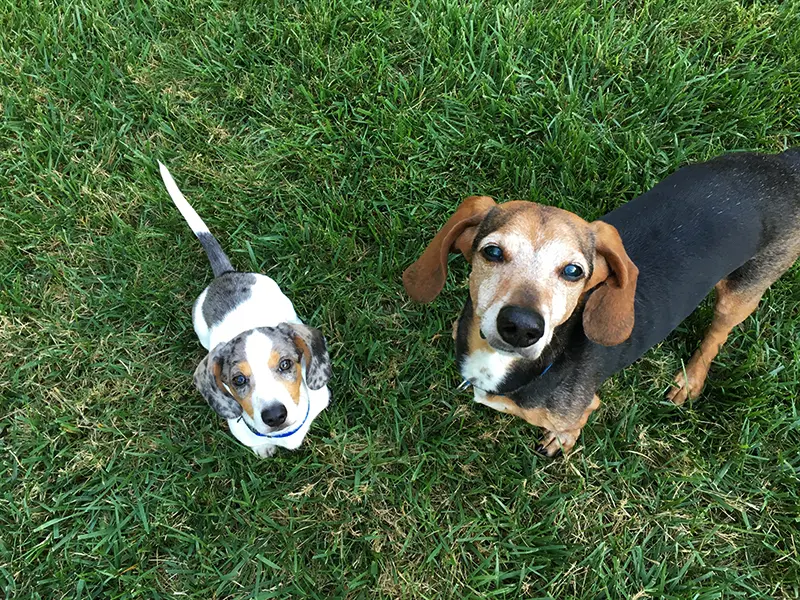
My family and I made the big decision to adopt a new dachshund puppy this summer. The biggest challenge we encountered was introducing him to our 14-year-old dog, Bastian.
Through a lot of trial and error, our older dog and puppy are finally getting along. Read on to learn How to Introduce a Puppy to Your Senior Dog Without the Jealousy.
Disclosure: This page contains affiliate links, and Dachshund Station may earn a commission from qualifying purchases at no additional cost to you. As an Amazon Associate I earn from qualifying purchases. See our Disclosure Policy for more info.
The Quick Guide
- Meeting in a Neutral Location: Why your yard is better than your living room.
- Safe Zone Setup: How to set up a safe gated area that feels comfortable for both dogs.
- The ‘Separate Rooms’ Rule: Why meals were the biggest hurdle for our puppy and senior.
- Training Rules: 20-Minute Limit – how to manage two different energy levels on one walk.
- Reading the Growl: When to step in and when to be a little more hands off.
- Quality Time: How to give your senior dog what they need while dealing with puppy chaos.
- Routine Shift: How we adjusted our senior’s schedule without causing ‘new sibling’ jealousy.
Keep on reading below to see how I managed my dachshund puppy’s energy without stressing out my 14-year-old dog, Bastian!

When my husband and I were first married many years ago, we adopted three dogs all within the same year. Yeah, we went a little fur -baby crazy! We had Bastian (beagle/dachshund mix), Reno (mini dachshund), and Artemus (German shepherd). They were all around the same age and they got along great.
Fourteen years down the line, Bastian, now a senior, stands as the last remaining member of our original canine pack.
Getting him acquainted with our new puppy was a bit of a process, but totally manageable.
How Do You Get an Older Dog to Accept a New Puppy?
As you introduce your new puppy to the older dog, it is important to do the following to help maintain a happy and safe home for both dogs.
1. Why a Neutral Meeting Spot is a Must for Senior Dogs
When we brought our new Dachshund puppy, Eko, home we introduced him to Bastian in our front yard first before bringing him into the house.
Introduce your older dog to the new puppy at a neutral location, not inside your home right away. This can be in your yard or at a park.
Out of respect for Bastian, we needed a friendly meeting between the two dogs before inviting our new furry family member inside. Our home is Bastian’s den after all.
Designated Area for a Puppy:
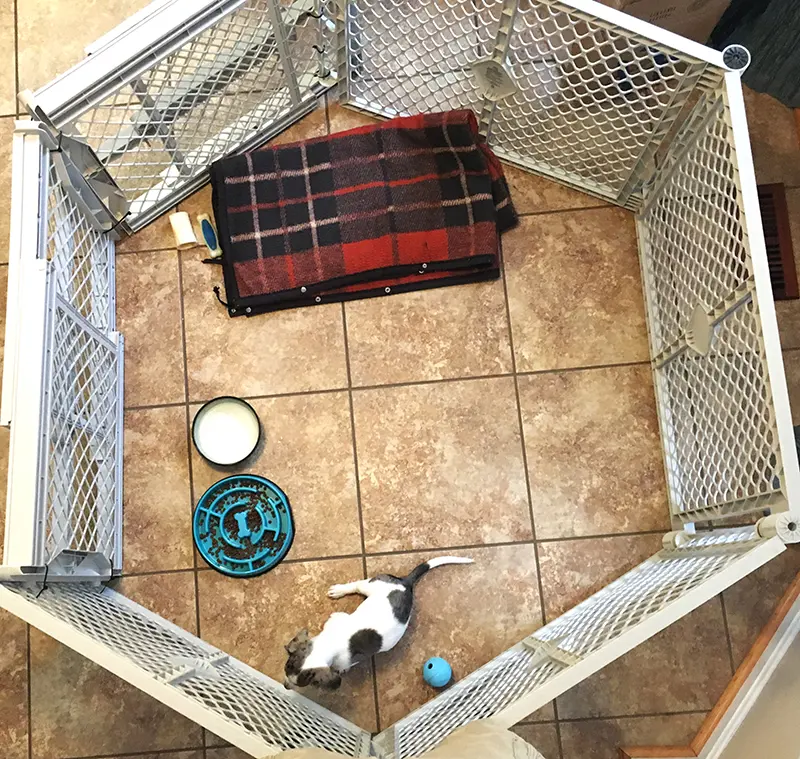
Your new pup should have their own crate and puppy play pen gated off from the house and from your older dog. Puppies need to stay in a designated area during their puppy potty training to keep them from getting into trouble or bothering other pets in the home.
2. Supervising Playtime Sessions
Over the next couple of weeks, we allowed Eko to have brief visits with Bastian throughout the day. The puppy was not allowed to roam the house yet, so the visits were always within a small, gated area. If Bastian wanted to escape the puppy playfulness, we allowed him to leave the room.
Supervision: All play time sessions with both dogs were fully supervised just in case they needed to be separated.
Toys: Have some toys and treats available to help the play session feel fun for both dogs.
Sniffing: Allow both dogs to sniff each other. Keep it brief and positive.
Playtime doesn’t always go well: Little Eko loves to jump up and bite Bastian because that is how he plays. Unfortunately, Bastian would rather not play that way, so playtime often falls on our shoulders to tire all that puppy energy out each day.
Because I focus so much on spinal health for my doxies, I had to be extra careful that little Eko didn’t jump on Bastian’s back. For senior Dachshunds, a playful bounce can cause issues.
Dogs Need Their Own Things:
Both dogs should have their own dog bowls, beds, blankies, and toys. Your older dog cherishes their own items, so don’t allow the puppy to move in and take over their stuff.
Signs Your Senior Dog is Stressed
Stress isn’t always obvious with senior dogs, it often shows up in small, but noticeable shifts throughout the day.
Keep a close eye on the following signs that your senior pup might need some space:
- Excessive panting or Licking their lips.
- Turning their head away when the puppy approaches.
- Difficulty sleeping or settling down.
- Low growls or baring their teeth as a warning.

3. Preventing Food Aggression Between Puppies and Older Dogs
Separate the dogs into different areas of the house during mealtime. Puppies have a special diet formulated for their system and senior dogs have a special diet as well. If the dogs try to eat each other’s food, they could get upset tummies.
We used this specific slow feeder for little Eko to help keep him occupied longer so Bastian could take his time and finished his senior kibble in peace.
Dogs can be very territorial when it comes to their food, bones, and treats.
Don’t allow the new puppy near your older dog during meal time, to avoid a fight. Bastian and Eko love to play games with me and try to gobble up each other’s food when I’m not looking. So, we always have them eat in separate rooms.
When the puppy turns 1, we will be switching him to an adult dog food. Bastian will still be on senior dog food, so they will need to continue to stay separate during mealtime.
Post You May Like: How To Switch Your Puppy To Adult Dog Food

4. Special Training Sessions
While I was teaching Eko new training commands, Bastian wanted to join in because he loved the training time and treats too!
So, I ended up conducting some of their training sessions with Bastian and Eko together and some specialized individual sessions as well.
We used these real chicken-based treats because they’re small enough for high-frequency training without upsetting their sensitive tummies – perfect for puppies and seniors on a strict diet.
The MOST rewarding part is that during the training sessions, the dogs got along remarkably well!
Both of them directed their attention towards me and the yummy dog treats, rather than bothering each other.
Walking:
I highly suggest taking your dogs for their daily walkies both together and separately.
Eko is only 11 weeks old, so he is still adjusting to walking with a leash and a dog harness. He doesn’t walk far before sitting down and refusing to move, which is typical for a new pup.
Even brief walks at this age are beneficial in helping puppies become socialized, active and healthy.
Bastian enjoys walking for about 30 minutes. When we walk the dogs together, we usually bring a sturdy dog backpack to help carry Eko when he needs a break.

5. Socializing: Why Neutral Friends Matter for Sensitive Breeds
Unfortunately, Bastian wasn’t socialized as a young puppy. From the start, Bastian had his den mates, our dachshund Reno, and our German Shepherd, Artemus to play with.
They were his family pack. We didn’t reach out and meet other people with dogs because they were so good with each other at home…our mistake!
We didn’t know how crucial it really was for us to take them out and meet other dogs that didn’t live with us.
Eko is now starting his socialization training at 11 weeks old. We are gradually introducing him to new friends and family members.
Because Dachshunds can be a bit vocal and very protective of their space and pack, we made sure Eko’s first playdates weren’t just with any dog. We made sure to have other pups with a calm demeanor who wouldn’t overwhelm him or Bastian.
Our vet recommended that we stay away from public dog parks and pet stores until Eko has all of his necessary puppy vaccines, around 16 weeks old. Our puppy playdates are usually with friends who have small dogs (Eko’s size) and are vaccinated.
Post You May Like: How To Socialize Your Puppy
6. One-On-One Quality Time
It is important to make one-on-one time with both dogs individually. Separate play sessions and walks can help your dog feel special and loved.
Since the new puppy arrived, I make sure to take individual walks with just Bastian. When I let Bastian outside to go potty, I make sure to give him big hugs and kisses. I know he appreciates it because he reacts with a big tail wag.
I need to always let him know that he is still my dog and I love him the same, even with a new puppy in the house.
7. The Routine Shift: Avoiding Sibling Jealousy
Senior dogs, like my Bastian, thrive on predictability. When a highly energized pup arrives on the scene, it can make them feel replaced.
To prevent ‘new sibling’ jealousy, we realized it wasn’t just about keeping the same schedule – it’s ensuring they still felt like a priority.
- First Greeting: We made sure to greet Bastian first when we arrived home.
- First Meal: The senior dog gets fed first.
- Reserved Moments: We kept our tv cuddle time as puppy-free as we could. My husband would take the ‘tire out the puppy’ shift while I would sit with Bastian on the couch in the evening. Taking your older dog on a weekly ‘bye bye’ ride is also a big winner.
Do Dogs Get Jealous Of New Puppies?
Yes, I believe, just like a young child being introduced to a new baby, dogs do get jealous of the new addition. Bastian is a very easy-going older dog. He is 14 years old, he loves to go for walks, but he also loves to take plenty of quiet naps throughout the day.
Now that the puppy is here, Bastian always wants to be in the room with me and the puppy, or at least close by. I make sure not to give the new puppy all of my attention.
I don’t want Bastian to become angry or territorial towards me or the new pup.

How To Prevent Dog Fights:
Eko and Bastian still have their “mean moments” when they are in the same room together. Sometimes Eko slips away from us and darts right for Bastian’s bed and pounces on top of him.
It is hilarious to watch, but very unfair to Bastian, so we try our best to stop that from happening. We try to keep them separated throughout the day and supervised when they are together.
Redirection: Re-direct your new puppy from your older dog when he gets too rambunctious.
Positive Interactions: Playtime needs to stay positive. Use new fun toys and yummy treats to keep them happy and occupied.
Brief Visits: Keep visits between your dogs brief and supervised.

Should I Let My Older Dog Growl At My Puppy?
Always supervise when your dogs are exchanging barks, growls, or submissive behavior. Don’t allow your puppy and older dog to be left alone until you are very confident that they are safe around each other.
Growling will happen. Dogs use this form of communication to let the other dog know their boundaries and comfort level. Of course, your older dog doesn’t want a crazy puppy biting and jumping in their face.
Your older dog may growl to let the puppy know he needs them to back off.
How Long Does It Take For A Dog To Get Used To A New Puppy?
Some gentle playtime between your older dog and the puppy will naturally begin anywhere between 4-8 weeks. Every dog is different, it may take a little longer for your older dog to adjust to the new pup.
Continue supervising brief play times when your dogs are together. They will begin to understand each other’s ways and eventually become happy housemates.
During this time of introduction, your dogs may have a couple of bad interactions with each other.
Bastian and Eko took about 3 months to get along with each other, needing less supervision. So, after that point, we didn’t need to keep them separate anymore.
Continue to keep things positive and be patient, dogs will adapt over time. If you continue to have trouble with your older dog and the new pup, consult your vet or consider trying some professional dog training to help them adjust.
We hope these tips for introducing a puppy to an older dog help your home and family feel as peaceful as ours.
Puppy & Senior Dog FAQ
Q: Can a senior dog really live with a new puppy?
A: Yes, but it requires a good amount of patience and supervision. At 14, my dog Bastian, has earned his peace and quiet. By using designated puppy areas and keeping your senior dog’s routine consistent, you can have harmony in your home.
Q: What if my older dog keeps growling at the puppy?
A: Always be ready to step in to redirect the puppy if they aren’t listening to your senior dog’s warnings. This is their way of communicating “Back off” and their boundaries need to be respected.
Q: How do I stop the puppy from stealing my older dog’s bed?
A: New Puppies often want the big dog bed because it smells like their older sibling. Ensure both dogs have their own things : toys, beds, and blankets from day one. Gently redirect your puppy to their own bed with a high-value treat.

Helpful Links:
- Zak George on YouTube: Puppy and Older Dog Training
- Wag Walking: Accepting a New Puppy

Thank you for this very educational information. We have a five year old, miniature dachshund, and we’re about to introduce one of his brothers, a few generations removed, to him in a few weeks. Very excited about the new addition, especially now that we are armed with this information. Thanks again.
Hi David, oh boy, getting a new puppy is so exciting! Thank you so much for your kind compliment. I’m glad that this information has assisted you in preparing for the new addition to your family.